Cost Factors for Gas Line Installation
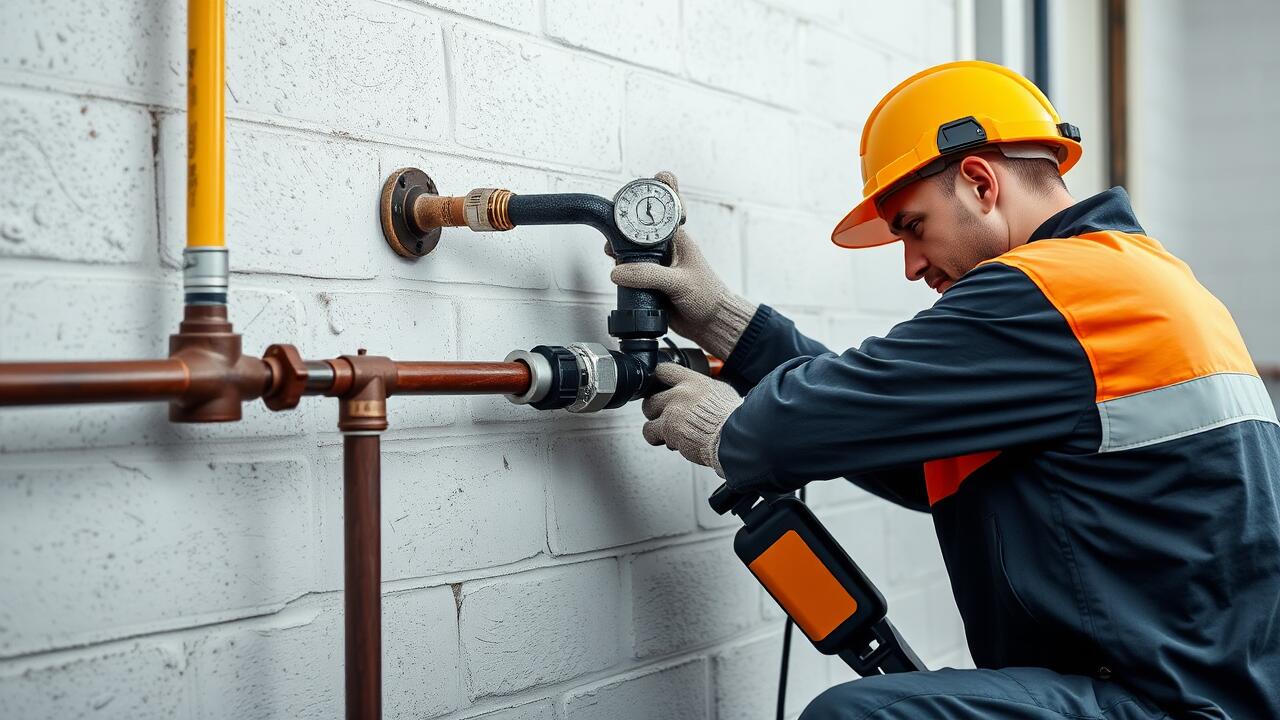
Several factors influence the cost of gas line installation. The distance from the gas main to the house plays a significant role, as longer runs typically require more materials and labor. Terrain and accessibility also affect pricing. If the installation involves complex groundwork, such as digging through concrete or rocky soil, the expenses can increase significantly.
Labor costs vary depending on the contractor’s experience and local market rates. It's essential to obtain multiple quotes to ensure competitive pricing. In regions like Oregon, contractors specializing in gas line installation and repair Oregon may offer different rates based on demand and expertise. Always consider additional fees for permits or inspections, which can add to the overall project costs.
Breakdown of Material and Labor Expenses
When considering the expenses associated with gas line installation, both materials and labor factor significantly into the total cost. The type of piping material used can vary greatly in price; options include copper, black iron, and polyethylene, each with its own advantages and costs. Additionally, fittings, connectors, and other hardware will add to the overall expenditure. Labor costs can fluctuate based on the complexity of the installation and the contractor's expertise, which affects both the hourly wage and the total hours needed to complete the work.
In states like Oregon, local codes and regulations may influence the costs involved. Compliance with safety standards means that hiring certified professionals is essential, further impacting labor expenses. Gas line installation and repair in Oregon also requires permits, which can add to the upfront costs. Assessing all these factors gives homeowners a clearer idea of what their investment will entail and helps in budgeting appropriately for the project.
Choosing the Right Contractor
When selecting a contractor for gas line installation and repair in Oregon, it is crucial to evaluate their qualifications and experience. Look for contractors who have a valid license and insurance coverage. These credentials not only demonstrate professionalism but also ensure that they comply with local regulations and safety standards. Additionally, consider the amount of experience they have specifically in gas line work. Contractors with extensive experience in this field are more likely to handle any complications that might arise during installation.
Another important factor is to check customer reviews and testimonials. Feedback from previous clients can provide insight into the contractor's reliability, work quality, and customer service. A contractor who has established a solid reputation will likely offer a better overall experience. Asking for references and reviewing past project photos may also help in making an informed decision. This thorough approach will contribute to choosing a skilled professional for gas line installation and repair in Oregon.
Key Qualifications to Look For
When searching for a contractor for gas line installation and repair, it is essential to prioritize qualifications. Look for professionals who hold the necessary licenses and certifications specific to your state. This ensures they possess the knowledge and skills required for safe and efficient work. Experience in gas line projects increases the likelihood of successful installation, so reviews and previous project examples can help you assess their capabilities.
Another important aspect is the contractor’s familiarity with local regulations. Gas line installation and repair Oregon involves specific codes that differ from other regions. A knowledgeable contractor will understand these requirements and ensure compliance. This attention to detail not only enhances safety but also minimizes potential legal issues down the line. Evaluating a contractor’s references and asking about past projects will provide insight into their reliability and expertise.
Possible Challenges in Installation
Several challenges can arise during the installation of a gas line. Homeowners may encounter issues with local codes and regulations, which can differ significantly from one area to another. Compliance with state and municipal laws is crucial, especially in Oregon, where strict guidelines govern gas line safety. Additionally, existing structures and landscapes might pose physical barriers, requiring creative solutions or adjustments in the installation plan.
Finding the right route for the gas line can also be problematic. Potential obstacles such as trees, other utility lines, and changes in elevation may complicate the installation process. Furthermore, inclement weather can delay work schedules and affect overall project timelines. Engaging with experienced professionals familiar with gas line installation and repair in Oregon can help navigate these challenges effectively, ensuring a smoother installation process.
Common Obstacles and Solutions
During gas line installation and repair in Aloha, Oregon, several common obstacles may arise. One significant challenge involves navigating existing underground utilities. Utility lines for water, electricity, and cable may be buried in the same area planned for the gas line. This can complicate the installation process, requiring contractors to perform thorough assessments and possibly reroute the gas line to ensure safety and compliance with local regulations.
Another potential issue involves obtaining the necessary permits and inspections. Local regulations often require multiple permits before any installation can occur. Failing to secure these permits can lead to project delays and additional costs. Working with knowledgeable contractors who understand the local codes can help streamline this process and mitigate common challenges associated with gas line installation and repair in Aloha, Oregon.
FAQS
Can I run a gas line to my house myself?
While it's technically possible to run a gas line yourself, it is highly discouraged due to the potential dangers involved. Most areas require a licensed professional to handle gas line installations to ensure safety and compliance with local codes.
What are the main costs associated with installing a gas line?
The main costs involved in installing a gas line typically include material expenses, labor costs, permits, and any additional fees for excavation or accessing hard-to-reach areas. It's important to get detailed estimates from contractors for a clearer picture.
How do I choose the right contractor for gas line installation?
When choosing a contractor for gas line installation, look for key qualifications such as licensing, insurance, experience with gas line work, and positive customer reviews. It's also wise to get multiple quotes to compare services.
What are some common challenges faced during gas line installation?
Common challenges during gas line installation can include dealing with existing structures, navigating underground utilities, and local regulations. Planning ahead and hiring a knowledgeable contractor can help mitigate these issues.
Are there any safety concerns I should be aware of when installing a gas line?
Yes, safety is a major concern when dealing with gas lines. Risks include potential leaks, incorrect installations, and non-compliance with safety regulations. Always consult with qualified professionals to ensure the process is safe and meets all necessary guidelines.