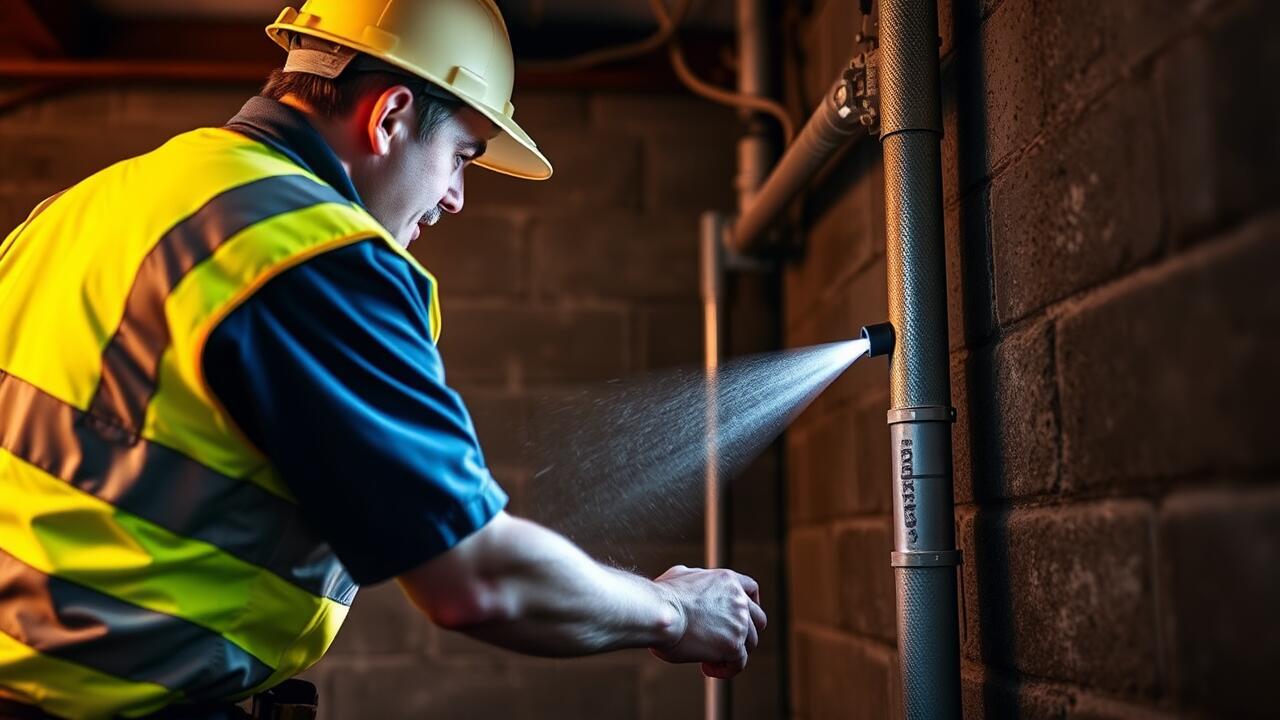
At West Star Plumbing & Mechanical, we specialize in leak detection and repair services to ensure your plumbing system operates efficiently and safely. Our experienced technicians utilize advanced technology and techniques to accurately locate leaks hidden behind walls, under floors, or beneath concrete slabs, minimizing disruption to your property. Once identified, we provide prompt and effective repair solutions to prevent further damage and costly water bills. With our commitment to quality workmanship and customer satisfaction, you can trust West Star Plumbing & Mechanical to safeguard your home or business from the issues caused by leaks, allowing you to enjoy peace of mind.
Types of Leaks and Their Implications
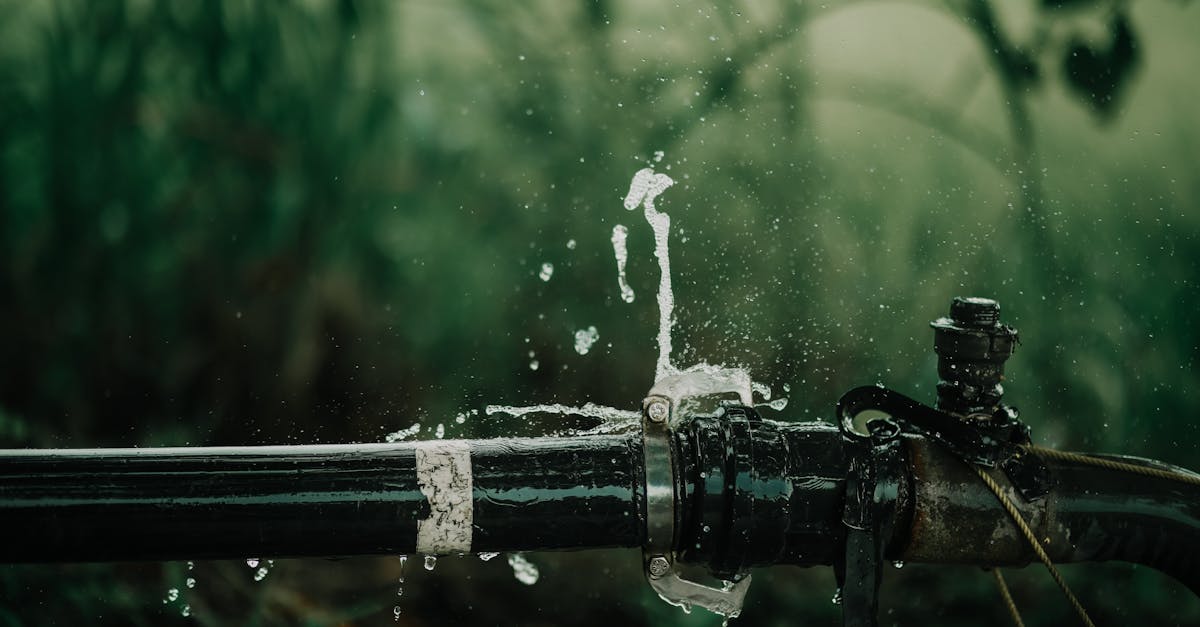
Leaking pipes can lead to significant water damage and increased utility bills. Common sources of these leaks include worn-out seals, corroded pipes, and fitting failures. Depending on the leak's location, it may not always be immediately visible. Slow leaks can saturate building materials, promote mold growth, and compromise structural integrity over time. Understanding the distinct types of leaks in a plumbing system is crucial for effective repair and prevention strategies.
In addition to affecting water systems, other leak types include gas leaks, which can pose serious safety risks. Gas leaks often arise from faulty appliances or damaged pipes, leading to hazardous situations. Homeowners should be aware of the signs of leaks, such as unusual odors, hissing sounds, or dead vegetation in outdoor areas. Identifying the type of leak quickly can minimize damage and ensure prompt interventions, protecting both property and health.
Understanding Different Leak Sources
Leaks can originate from various sources within a property, each with distinct implications for homeowners. Common sources include plumbing fixtures, pipes, roofs, and appliances. Toilets are notorious for concealed leaks, often leading to unnoticed water waste. Over time, wear and tear on plumbing systems can create vulnerabilities, allowing water to escape unnoticed. Additionally, external factors like temperature fluctuations can cause materials to expand and contract, increasing the risk of cracks and leaks.
Understanding the specific source of a leak is crucial for effective detection and repair. For instance, leaks in walls may indicate issues with internal pipes or roof damage. Basement leaks often stem from foundation cracks or poor drainage systems. Identifying the precise location and cause can significantly mitigate damage and reduce repair costs. Moreover, addressing the root of the problem early can prevent more serious structural issues and preserve the integrity of the home over time.
Repairing Common Types of Leaks
Leaking faucets are among the most common issues homeowners face. A worn-out washer or O-ring often causes these leaks. Replacing these components is usually straightforward, requiring only a few tools. It is advisable to turn off the water supply before starting. After disassembling the faucet, remove the old washer or O-ring, and replace it with a new one. Reassemble the faucet and turn the water back on to check for any remaining leaks.
Another frequent type of leak occurs in pipes, especially those that are old or corroded. Identifying the source of the leak can involve examining the pipe joints and connections. If a leak is found, applying pipe sealant can be a temporary fix. However, for a long-term solution, replacing the compromised section of pipe is often necessary. Homeowners should keep an eye on the surrounding area for signs of moisture or mold, which can indicate an ongoing issue that requires prompt attention.
Effective Solutions for Homeowners
Homeowners encountering leaks have several effective solutions at their disposal. Identifying the source of the leak remains the first step. Once located, options may include applying epoxy putty to seal minor cracks in pipes or using pipe insulation to reduce condensation in areas prone to humidity. For older fixtures, replacing worn-out washers and seals can prevent future leaks and maintain optimal water flow.
In cases where leaks are persistent or severe, enlisting professional help is crucial. Trained plumbers possess the expertise to diagnose hidden leaks, such as those behind walls or under floors. They can offer comprehensive repair solutions, from reinforcing plumbing systems to replacing entire sections of piping. Additionally, utilizing modern technologies, such as infrared leak detection, allows for efficient identification and minimizes disruption to the property. Investing in professional services ultimately safeguards the home from further water damage.
Preventative Measures for Avoiding Leaks
Homeowners can take several steps to minimize the risk of leaks in their plumbing systems. Regular inspections of pipes and connections help identify potential weak points. Keeping an eye on water pressure can also prevent undue stress on plumbing components. A drop in water pressure often signifies an underlying issue that requires attention. Additionally, ensuring that outdoor hoses and fixtures are properly disconnected during winter months can prevent freezing and subsequent cracking.
Routine maintenance is essential for prolonging the life of plumbing systems. Flushing the water heater annually can remove sediment buildup, helping it operate efficiently. Checking caulking around fixtures and repairing any gaps can also keep moisture at bay. Homeowners should be proactive in addressing signs of wear, such as discoloration or damp spots on walls or ceilings. Implementing these preventative measures can lead to a more efficient plumbing system and a reduction in serious leaks.
Best Practices for Property Maintenance
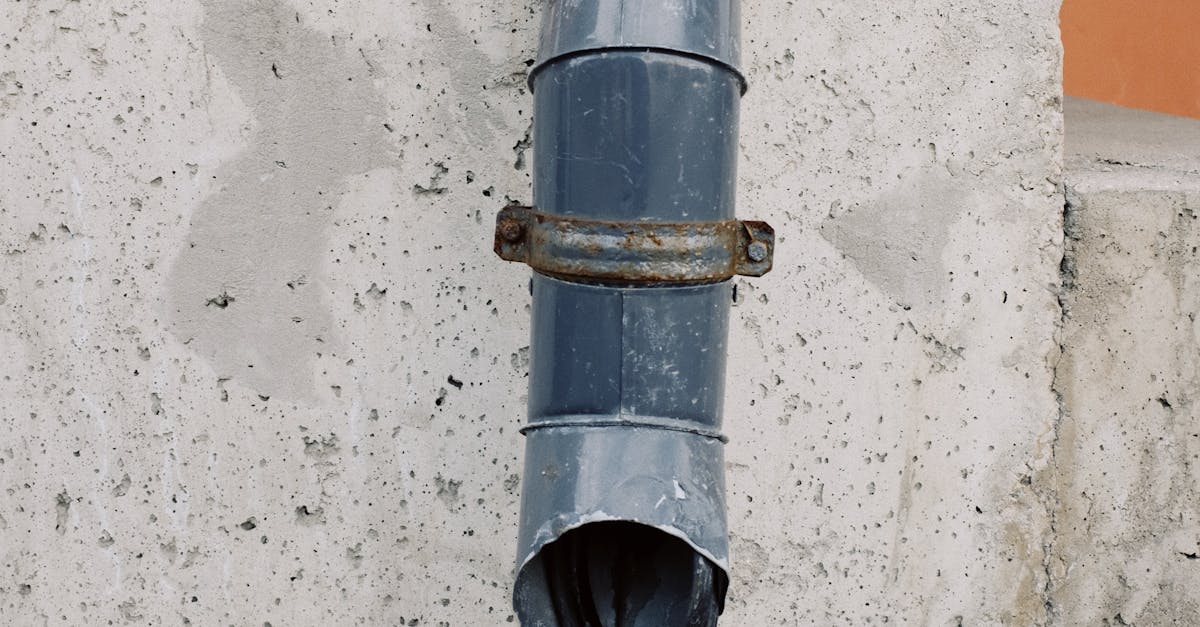
Regular inspection of plumbing systems is crucial for maintaining property integrity. Homeowners should check for signs of leaks, such as water stains on walls or ceilings and damp patches on floors. Inspecting appliances like water heaters and washing machines periodically can help identify problem areas early. Ensuring that gutters and downspouts are free of debris prevents water accumulation that can lead to leaks.
Routine maintenance extends beyond simple checks. It is beneficial to replace old fixtures and seals, as wear and tear can weaken these components over time. Utilizing high-quality materials during repairs can prevent future issues. Additionally, creating a schedule for seasonal maintenance tasks helps keep plumbing systems in optimal condition, reducing the risk of unexpected leaks.
FAQS
What are the most common types of leaks found in homes?
The most common types of leaks in homes include plumbing leaks, roof leaks, foundation leaks, and HVAC leaks. Each type can have significant implications for property damage and safety.
How can I identify the source of a leak in my home?
You can identify the source of a leak by checking for water stains on walls or ceilings, listening for dripping sounds, monitoring your water bill for unexpected increases, and inspecting areas around pipes and appliances for moisture.
What are some effective solutions for repairing leaks?
Effective solutions for repairing leaks include patching holes, replacing damaged pipes, sealing joints and connections, and using waterproof tape or sealants. It’s often best to consult a professional for more complex repairs.
How can I prevent leaks in my home?
To prevent leaks, you should regularly inspect your plumbing and roofing, maintain gutters and downspouts, monitor humidity levels, and ensure proper insulation. Regular maintenance and early detection are key to avoiding leaks.
When should I call a professional for leak detection and repair?
You should call a professional for leak detection and repair if you notice significant water damage, if you are unable to locate the source of a leak, or if the repair involves complex plumbing or structural issues that require specialized skills.