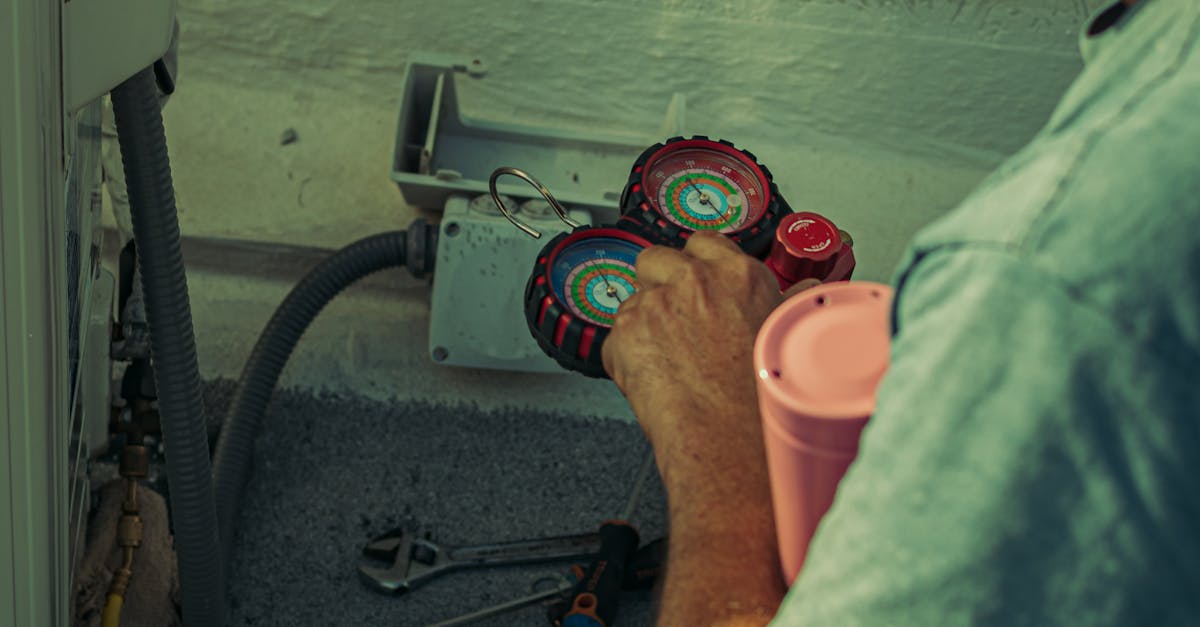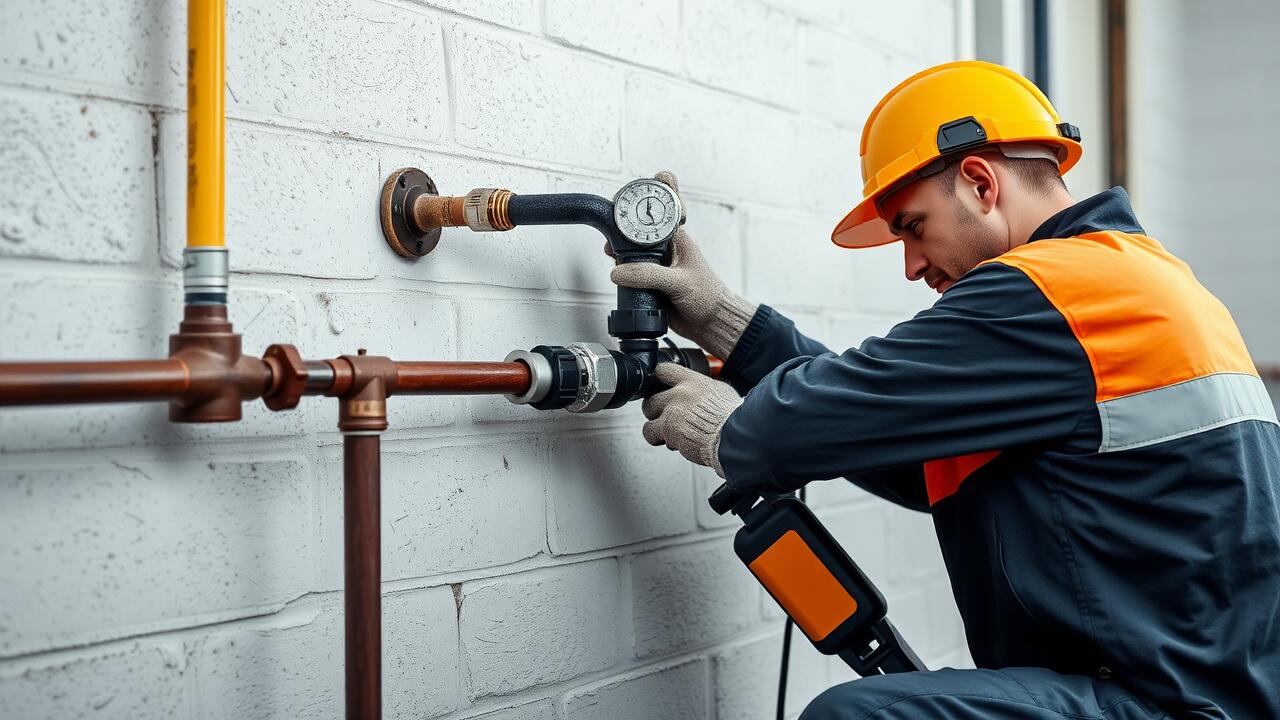
At West Star Plumbing & Mechanical, we specialize in professional gas line installation and repair services designed to ensure the safety and efficiency of your home or business's gas system. Our experienced technicians are equipped to handle everything from the installation of new gas lines for appliances like stoves, water heaters, and furnaces to the meticulous repair of existing lines that may be leaking or corroded. We understand the critical importance of safety when it comes to gas services, which is why we adhere to all local codes and regulations while utilizing high-quality materials. Whether you need a new gas line installed or require urgent repairs, you can trust West Star Plumbing & Mechanical to deliver reliable solutions with top-notch customer service.
Emergency Gas Line Repair Services
Gas line issues can arise suddenly and unexpectedly, creating potentially dangerous situations. Quick response is crucial when a leak or other problem is detected. Emergency repair services are designed to address these hazards promptly, ensuring the safety of your home or business. Skilled professionals are on standby to assess the situation, conduct necessary repairs, and restore normalcy quickly.
Professional technicians are equipped with the right tools and expertise to handle emergencies efficiently. Their training allows them to identify leaks, replace damaged sections of gas lines, and ensure that all repairs comply with safety regulations. Utilizing emergency services not only helps mitigate risks but also provides peace of mind knowing that your gas line system is secure and functioning correctly.
What to Do in a Gas Leak Emergency
Recognizing the signs of a gas leak is crucial for ensuring safety. If you smell gas, hear a hissing sound, or notice dead vegetation near gas lines, take immediate action. Evacuate everyone from the premises and avoid using phones, electrical switches, or any sources of ignition. Ventilation is essential, so open windows and doors if it is safe to do so while leaving the building.
Once you are outside, call your gas provider or emergency services to report the leak. Provide them with as much information as possible about the location and severity of the leak. Stay at a safe distance until professionals arrive to assess and handle the situation. It is important to never attempt to fix a gas leak yourself, as this can lead to serious hazards.
Understanding Gas Line Codes and Regulations
Comprehending gas line codes and regulations is essential for ensuring safety during installation and maintenance processes. These codes are designed to mitigate risks associated with gas leaks and explosions, setting standards for construction, materials, and workmanship. Local jurisdictions often adopt national codes while incorporating specific regional requirements. Knowledge of these regulations helps professionals navigate compliance, avoiding legal complications and ensuring the safety of occupants.
Familiarizing oneself with the key regulations can save time and resources throughout a project. Many areas follow the International Fuel Gas Code (IFGC) or the National Fuel Gas Code (NFPA 54), which outline specifications for gas piping and appliance installation. Regular updates to these codes mean that staying informed is crucial for both contractors and homeowners. Ignoring these guidelines can result in subpar installations, putting lives at risk and potentially leading to costly repairs or accidents.
Compliance with Local and National Standards
Gas line installation and repairs must adhere to strict regulations to ensure safety and functionality. Local building codes often set requirements based on regional risks, such as seismic activity or extreme weather conditions. Federal standards, managed by organizations like the Occupational Safety and Health Administration (OSHA) and the National Fire Protection Association (NFPA), establish guidelines that protect both workers and residents. Staying updated with these codes can prevent mishaps and enhance system reliability.
Compliance not only meets legal obligations but also safeguards the health of occupants. Certified professionals should be engaged for both inspections and installations to ensure adherence to these regulations. Violating these codes can result in legal penalties and compromise safety, placing individuals and properties at risk. This diligence contributes to a community that prioritizes safe gas line practices, fostering confidence among residents.
Cost Factors for Gas Line Installation
Several elements influence the overall cost of gas line installation. The type of materials used for the installation can significantly impact expenses, with options ranging from copper and PVC to flexible gas piping. Additionally, factors like the complexity of the installation site, distance to gas supply, and the existing infrastructure play a crucial role in determining the final cost. If extensive excavation or modifications are necessary, labor costs will naturally increase.
Labor rates also vary based on the plumber's experience and the local market's standards. Preparing for potential unforeseen complications may lead to additional charges. Installing gas lines typically requires permits and inspections, contributing to the overall expenses as well. Understanding these factors can help homeowners gauge a more accurate budget and make informed decisions.
Pricing Breakdown for Materials and Labor
When considering the cost of gas line installation, it is essential to account for both materials and labor. The materials used typically include pipes, fittings, and connectors, each varying in price depending on the quality and type. High-grade materials, designed to withstand corrosion and pressure changes, may incur higher costs but offer greater longevity and safety. Additionally, local supplier prices can influence overall expenses, so it's wise to shop around for competitive rates.
Labor costs are another significant factor in the total price for gas line installation. Experienced professionals usually charge by the hour, and rates can vary based on the complexity of the job and the region. Jobs requiring more intricate installations or repairs may take longer, driving up labor costs. It's important to consider both the skill level of the workers and the time expected for completion to ensure a comprehensive budget for the project.
FAQS
What should I do if I suspect a gas leak in my home?
If you suspect a gas leak, immediately evacuate everyone from the premises and avoid using any electrical devices or open flames. Once you are safely outside, call your gas company or emergency services to report the leak.
How often should I have my gas lines inspected?
It is recommended to have your gas lines inspected at least once every year or whenever you experience issues such as unusual smells, sounds, or changes in gas usage.
What are the main regulations governing gas line installation?
Gas line installation is governed by both local and national codes, which outline safety standards, installation practices, and inspection requirements to ensure compliance and safety.
What factors influence the cost of gas line installation?
Several factors influence the cost of gas line installation, including the length of the gas line, the type of materials used, labor costs, and any necessary permits or inspections.
Can I install or repair gas lines myself?
It is not recommended to install or repair gas lines yourself unless you are a licensed professional. Gas line work requires specific knowledge and skills to ensure safety and compliance with regulations.