Connecting to the Gas Source
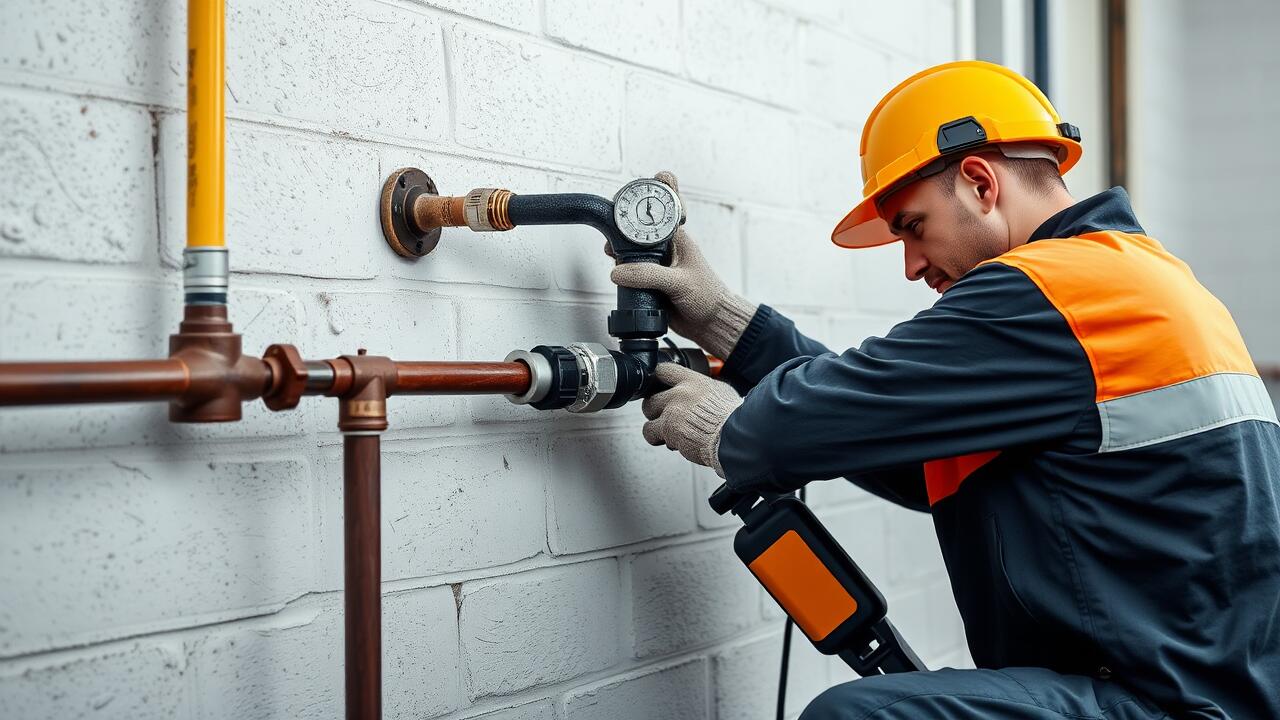
Connecting to the gas source requires careful planning and adherence to local codes. Start by determining where the gas meter is located and select the appropriate size and type of pipe for the installation. Make sure to use materials that are rated for gas service. For most residential applications, black iron pipe or flexible gas line can be used effectively. Always consult a professional familiar with gas line installation and repair near me to ensure compliance with safety standards.
Before making any connections, it's essential to gather all necessary tools and materials. Ensure that all fittings are compatible with your chosen pipe type. Start by tightening the connections using a pipe wrench, but avoid over-tightening as this may cause damage. It's advisable to have a qualified technician inspect the installation once it is complete to confirm that everything is correctly installed and secure. This step helps mitigate any risks associated with gas leaks or inadequate connections.
Methods for Secure Connections
When connecting pipes for gas line installation, using the right fittings is crucial for ensuring safety and preventing leaks. Compression fittings, flare fittings, and threaded fittings are common methods that provide secure connections. Each type offers varying degrees of reliability and compatibility depending on the materials used, such as copper, steel, or flexible plastic piping. It's essential to match the fittings with the appropriate pipe material to create a solid and leak-free seal.
After making connections, it is advisable to perform a visual inspection and utilize a gas leak detection solution to identify any potential issues. This step helps in confirming that all joints are properly sealed. If you seek professional assistance, consider searching online for "Gas line installation and repair near me" to find experienced technicians. They can ensure that connections are made correctly and increase your peace of mind regarding the installation process.
Testing the Gas Line
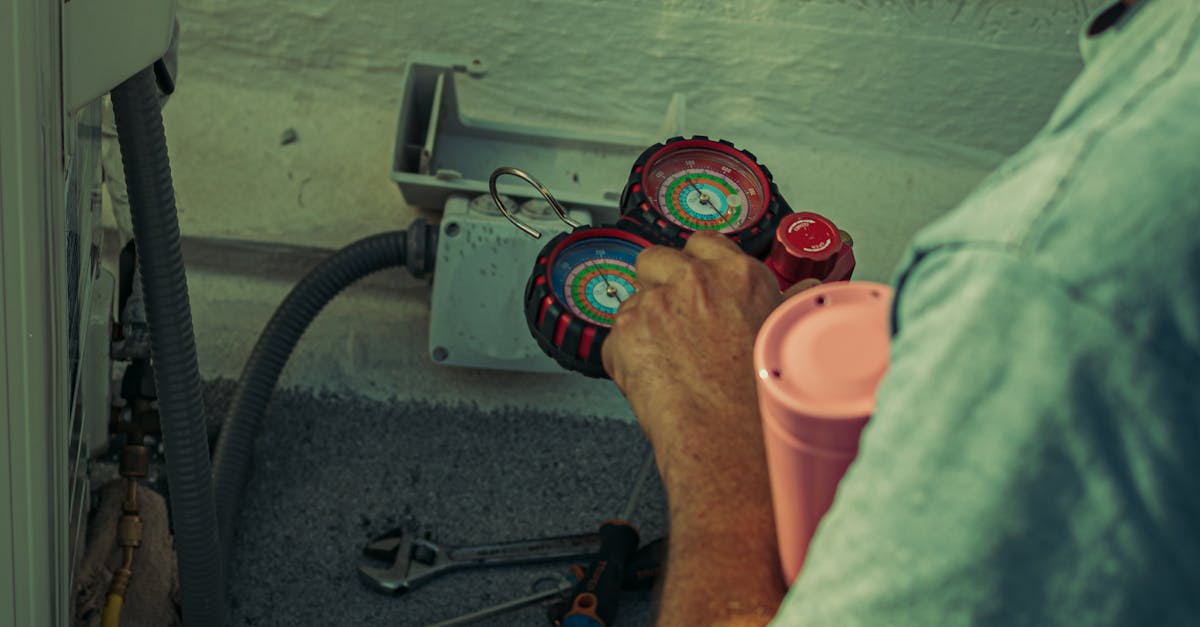
Testing the gas line is essential for ensuring safety and functionality. After the gas line has been installed, it’s crucial to conduct pressure tests to verify that there are no leaks. This involves sealing off the gas line and then using a manometer or pressure gauge to monitor any changes in pressure over a designated period. If the pressure remains stable, it indicates a secure installation. Any drop in pressure can signal the presence of a leak that must be addressed before the system is put into operation.
Regular checks are advisable even after installation. A professional service can execute thorough inspections for existing gas lines, ensuring compliance with local codes and enhancing safety. If you're looking for assistance in this area, searching for "gas line installation and repair near me" can connect you with trained technicians equipped to handle these tasks effectively. Consistent monitoring and maintenance of the gas line will help in preventing any potential hazards down the line.
Safety Checks and Pressure Testing
After completing the installation of a gas line, it is crucial to conduct thorough safety checks to ensure everything operates correctly. Visual inspections should reveal no signs of damage or corrosion on the materials used. Next, verify the connections for tightness to prevent gas leaks. Pressure testing is one effective method for detecting potential leaks. This process involves increasing the pressure in the gas line and monitoring the system for any drop in pressure over time. A qualified professional can perform this test to ensure safety and compliance with local regulations, often searching for services like "gas line installation and repair near me" for assistance.
Once pressure testing confirms there are no leaks, follow up with additional safety checks. Make sure all connections, valves, and fittings are secure. Using a soap solution can help identify any minor leaks since bubbles will form where gas escapes. Implementing these safety measures not only protects against potential hazards but also ensures the gas line operates efficiently. Professionals in the industry can provide expertise and offer resources if you require support, with many searches leading people to services for "gas line installation and repair near me” for convenient solutions.
Insulating and Protecting the Gas Line
Insulating and protecting gas lines is crucial for ensuring safety and efficiency. Proper insulation helps maintain temperature, reduces condensation, and decreases the risk of damage from external elements. Using materials like foam sleeves or fiberglass wraps can provide effective insulation. Additionally, securing the gas line against surface abrasion or impact is important, especially in high-traffic areas or outdoor installations.
When planning a gas line installation, consider potential hazards and invest in protective measures. PVC or metal conduits can be effective in shielding the lines from physical damage. Regular inspections also play a significant role in identifying wear and tear. Homeowners can search for “gas line installation and repair near me” to find qualified professionals who can help with both installation and necessary protective measures to enhance safety.
Best Practices for Line Protection
To ensure the longevity and safety of your gas line, proper insulation and protection are critical. This can involve using protective wraps and sleeves specifically designed for gas lines to guard against physical damage. It's also important to avoid burying the gas line too deeply, which can lead to difficulties in locating it for future repairs or maintenance. Maintaining a clear area around the line helps prevent accidental impacts from landscaping or construction activities.
Regular inspections should be part of your routine for protecting gas lines. Look for signs of wear or corrosion, as well as any physical damage that could compromise the integrity of the installation. If you are unsure of the condition of your gas line, seeking assistance through local services that offer "Gas line installation and repair near me" can provide peace of mind. Implementing these best practices not only enhances safety but also ensures compliance with local codes and regulations.
FAQS
What tools do I need to install a gas line?
To install a gas line, you will typically need a pipe wrench, adjustable wrench, pipe cutter, Teflon tape, a gas line fitting kit, and a pressure gauge for testing. Always check local codes for any specific tools or materials required.
Can I install a gas line myself?
While some homeowners may choose to install a gas line themselves, it is highly recommended to hire a licensed professional. Gas line installation involves safety risks and must comply with local building codes.
How do I know if my gas line installation is safe?
You can ensure safety by conducting a pressure test and checking for leaks. Use soap solution to test the connections; if bubbles form, there’s a leak. Always follow safety guidelines and consider hiring a professional for inspections.
What are the signs of a gas leak?
Signs of a gas leak may include a distinct odor (like rotten eggs), hissing or whistling sounds near gas lines, dead or dying vegetation near gas lines, and physical symptoms like headaches or dizziness in people nearby.
How often should I have my gas lines inspected?
It is advisable to have your gas lines inspected at least once a year, or more frequently if you notice any signs of wear, damage, or leaks. Regular maintenance helps ensure safety and efficiency.