Checking Plumbing Fixtures
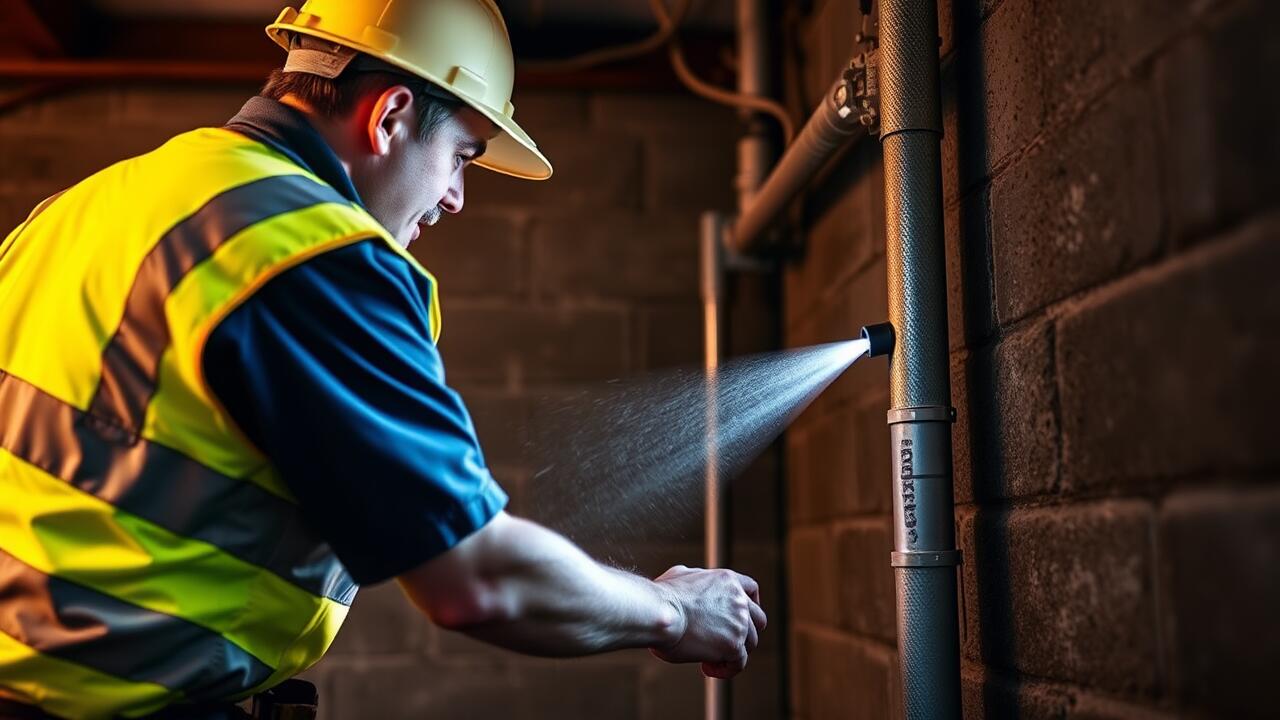
Inspecting plumbing fixtures is a critical first step in diagnosing potential leaks. Start with faucets and showerheads, as they often develop issues due to wear and tear. Look for visible drips, pooling water, or corroded fittings. Don't overlook the base of the toilets, where leaks might manifest as dampness or discoloration on the floor. If these signs are evident, consider seeking professional assistance by searching for "Leak detection and repair near me" for effective solutions.
Once you assess the visible fixtures, check under sinks and behind appliances. Pipes often corrode over time, leading to small leaks that are not immediately noticeable. Feel around for any damp spots or water stains, as these may indicate hidden issues. Investigating these areas thoroughly can prevent further water damage. If you suspect a problem that seems beyond a simple fix, again, a search for "Leak detection and repair near me" can connect you with experts who can diagnose and address more complex plumbing challenges.
Common Areas to Inspect Thoroughly
When it comes to diagnosing a leak, starting with common plumbing fixtures is essential. Faucets, toilets, and showerheads are frequent culprits of water loss. Inspect these fixtures closely for any visible moisture or drips. Even minor leaks can waste significant amounts of water over time. Use a flashlight to check under sinks and around appliance connections, paying attention to areas that may not see regular cleaning. Making a checklist of areas to investigate can streamline the process.
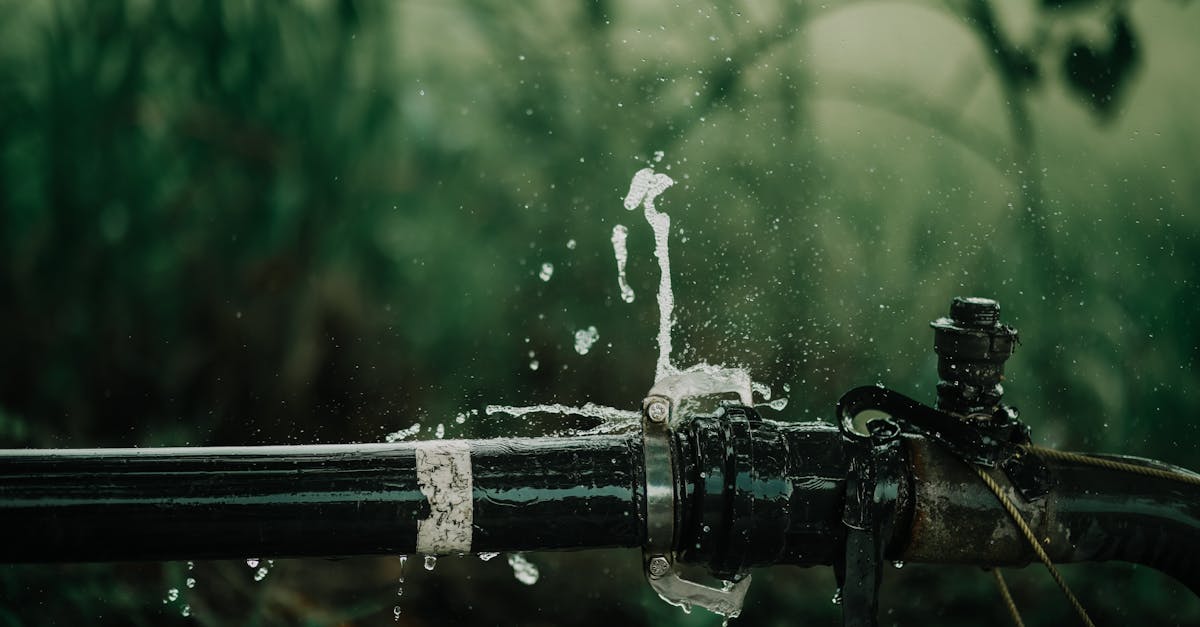
Another common area to inspect includes the supply lines and drainage pipes. These components often experience wear and tear, leading to leaks. Look for signs of corrosion or deterioration such as rust stains or peeling paint around these areas. If a problem persists or areas remain uncertain, consider searching online for "leak detection and repair near me." Finding local professionals can help ensure thorough examination and timely repairs, preventing further damage to your property.
Investigating Roof and Gutter Issues
Roof and gutter issues are often primary culprits when it comes to water leaks. Inspecting the roof for missing shingles, damaged flashing, or debris accumulation can reveal potential problems that may lead to leaks. Additionally, clogged gutters can cause water to overflow, which might seep into the attic or walls. Regular maintenance of these areas can help prevent serious damage and costly repairs later on.
When investigating leaks, it's essential to look for signs of water staining on ceilings or walls, as these can indicate moisture coming from above. Mold growth or a musty smell can also suggest a hidden leak originating from the roof. Homeowners may consider seeking "Leak detection and repair near me" for professional assistance if they suspect persistent issues that are difficult to trace. Addressing roofing and gutter concerns promptly can save time and resources before the problems escalate.
Signs of Leakage from Above
When investigating potential leaks from above, it is crucial to observe any water stains on ceilings and walls. These stains may vary in size and color, indicating the presence of moisture, mold, or mildew. Additionally, peeling paint or wallpaper can suggest long-term water exposure. Checking for sagging areas in the ceiling can also provide insight into the severity of the issue.
Examining gutters and downspouts for clogs is essential, as blocked water flow can lead to overflow and subsequent leaks. Roofs should be inspected for damaged shingles or tiles, which may allow rainwater to penetrate. If signs of a leak are persistent, seeking professional help becomes vital. Searching online for "Leak detection and repair near me" can help find local specialists equipped to handle the problem effectively.
Assessing Foundation and Walls
Water leaks originating from the foundation or walls can lead to significant structural damage if not identified promptly. Inspecting the exterior of the home is crucial. Look for cracks in the foundation, gaps where the walls meet the ground, and any signs of settling or shifting. Additionally, pay close attention to any dampness or mold growth within basements and crawlspaces, as these may indicate moisture intrusion. Engaging in leak detection and repair near me can provide expert assistance in pinpointing these issues efficiently.
Inside the home, the walls themselves should be thoroughly examined. Check for discoloration, peeling paint, or bulging drywall, which can signal water trapped behind the surface. Pay attention to areas around windows and doors where water may seep in during heavy rain. It's essential to identify these signs early to mitigate further damage. Utilizing local professionals for leak detection and repair near me can ensure a thorough evaluation and timely intervention, helping to preserve the integrity of the home.
Recognizing Water Penetration Problems
Water penetration problems often manifest as stains or discoloration on walls and ceilings. If you notice paint bubbling or flaking, these could be indicators of moisture behind the surface. Additionally, check for any mold growth or a musty odor, which typically arises in damp conditions. Homeowners should remain vigilant, as early detection can prevent more extensive damage.
When addressing potential water intrusion, the foundation is a critical area to evaluate. Cracks in the foundation may allow water to seep in, especially after heavy rainfall. Conducting a thorough inspection of basement walls can reveal signs of moisture. If issues persist, seeking professional assistance with “Leak detection and repair near me” can help accurately assess the problem and implement effective solutions.
FAQS
What are the first steps to take when trying to locate a leak?
Start by checking plumbing fixtures for any visible signs of leakage, such as dampness or water stains. Then, inspect common areas such as under sinks, around toilets, and near water appliances.
How can I tell if the leak is coming from the roof or gutters?
Look for signs of water stains on ceilings or walls, especially after rain. Additionally, check for blockages or damage in the gutters and downspouts, as these can cause water to pool and leak into your home.
What should I inspect when assessing my foundation and walls for leaks?
Look for cracks in the foundation or walls, as well as peeling paint or wallpaper. Signs of dampness in basements or crawl spaces can also indicate water penetration issues.
Are there any tools or methods that can help in leak detection?
Yes, using a moisture meter can help measure the level of moisture in walls and floors, while thermal imaging cameras can identify temperature changes that indicate leaks. Listening for dripping sounds can also provide clues.
When should I call a professional for leak detection?
If you are unable to locate the source of the leak after thorough inspection or if the leak is causing significant damage, it is advisable to call a professional plumber or water damage specialist for assistance.