Repair Procedures for Minor Leaks
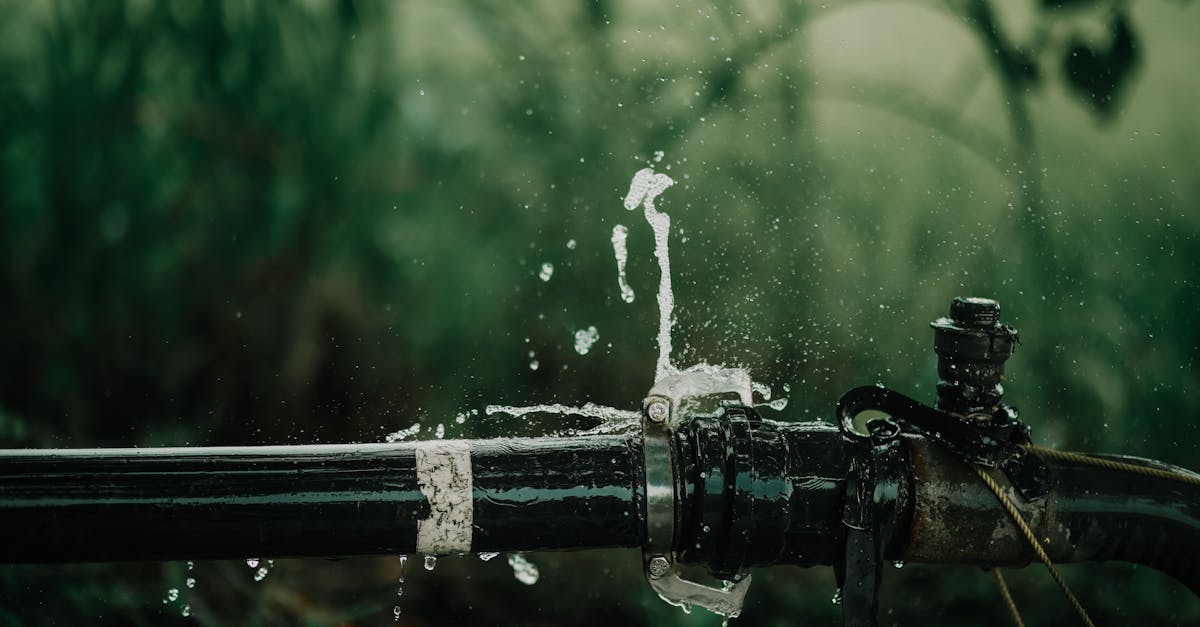
Repair procedures for minor leaks often begin with accurate assessment and identification of the leak's source. A thorough inspection may involve using specialized tools to detect moisture or pressure loss in pipes and fixtures. Once the leak is located, quick fixes such as tightening loose fittings or applying epoxy sealants can be effective. These solutions provide immediate relief and help to minimize water damage until more comprehensive repairs can be scheduled. Regular leak detection and repair practices are essential for preventing escalation into more significant problems.
After addressing minor leaks, it is important to monitor the area for any signs of recurring issues. Temporary fixes may not offer a long-term solution, so evaluating the materials and methods used is crucial. When dealing with persistent leaks, consider replacing damaged components rather than continuously patching leaks. This proactive approach not only ensures integrity but also promotes the long-term health of your plumbing system. Engaging in leak detection and repair at regular intervals can ultimately save time and resources.
Temporary Fixes vs. Permanent Solutions
Temporary fixes can provide quick relief when dealing with minor leaks. These solutions often involve using sealants or patches to minimize the immediate impact of the leak. While such methods can be effective in the short term, they do not address the underlying issues causing the leak. Leak detection and repair should always consider whether waiting for a more permanent solution could lead to more significant problems down the line.
Permanent solutions typically involve evaluating the root cause of the leak and implementing comprehensive repairs. This may include replacing damaged pipes or fixtures, reinforcing joints, or addressing potential structural issues. Investing in permanent solutions can save homeowners money by preventing recurring leaks and damage. For effective leak detection and repair, careful consideration of the long-term implications of temporary fixes versus permanent solutions is essential.
Professional Leak Repair Services
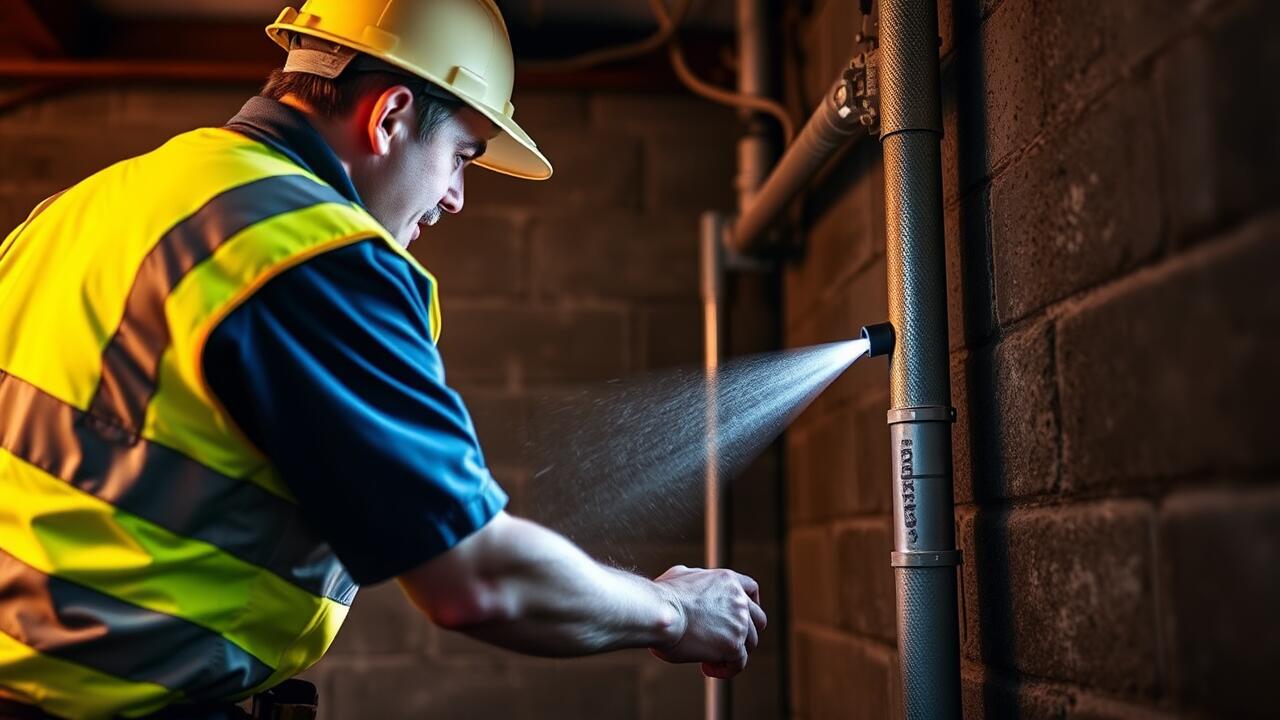
Professional leak repair services offer expertise that goes beyond basic DIY solutions. These specialists are equipped with advanced tools for leak detection and repair, ensuring the problem is accurately identified and effectively addressed. They can tackle a wide range of issues, from small leaks that may not be visible to larger, more complex systems. Relying on professionals can save both time and money in the long run, as they know the best practices for ensuring thorough repairs.
When considering professional assistance for leak issues, it’s essential to choose a company with a solid reputation and experience in the field. They typically conduct comprehensive assessments to uncover hidden leaks and develop tailored repair strategies. This level of service helps to mitigate the risks associated with water damage and potential structural problems. Investing in leak detection and repair from qualified professionals can lead to long-lasting solutions for your property.
When to Call a Specialist
Understanding when to call a specialist for leak detection and repair can save time and resources. Homeowners should consider contacting a professional when they notice recurring moisture issues, persistent odors, or visible mold growth. These signs often indicate underlying problems that may not be easily fixed with temporary solutions. Specialists possess the expertise to identify the source of leaks and provide comprehensive repair options tailored to the specific needs of each property.
In some cases, the complexity of the issue can overwhelm a homeowner. If a leak is located in difficult-to-reach areas, such as behind walls or under flooring, professional assistance is advisable. Specialists use advanced technology for accurate leak detection and repair, ensuring repairs are done efficiently. Beyond handling immediate issues, these experts can also offer valuable advice on preventative measures to help avoid future leaks.
Preventative Measures to Avoid Future Leaks
Implementing regular maintenance and inspections is crucial for avoiding future leaks. Scheduling routine checks can help identify potential issues before they escalate. This proactive approach not only saves time and money but also ensures the longevity of the systems involved. Keeping an eye on wear and tear allows for timely leak detection and repair, which is essential for maintaining efficiency.
In addition to regular inspections, using quality materials and proper installation techniques can significantly reduce the risk of leaks. Selecting components designed for durability can withstand environmental stressors and wear. Educating employees or household members on identifying early signs of leaks can create a more vigilant atmosphere. Early leak detection and repair interventions can prevent small problems from developing into major issues.
Regular Maintenance and Inspections
Regular maintenance and inspections play a crucial role in the overall health of plumbing systems. By routinely checking for signs of wear, corrosion, and minor leaks, property owners can address issues before they escalate. Establishing a consistent schedule for inspections helps identify potential problems early on, ensuring the effectiveness of leak detection and repair methods. These proactive measures not only save money in the long run but also contribute to the longevity of the plumbing infrastructure.
Seasonal inspections offer an opportunity to assess areas most vulnerable to leaks, such as joints, pipes, and connections. In addition, having a trained professional conduct these inspections can enhance the likelihood of discovering hidden leaks. Implementing a comprehensive maintenance routine includes checking water pressure, examining appliance connections, and identifying any changes in water bills. Incorporating leak detection and repair practices ensures a responsive approach to plumbing care, minimizing the risk of significant damage.
FAQS
What are the common signs of a leak in my home?
Common signs of a leak include water stains on walls or ceilings, unexplained increases in water bills, damp or moldy odors, and the sound of running water when no taps are on.
How can I temporarily fix a minor leak?
A temporary fix for a minor leak can include using duct tape or plumbing putty to seal the leak until a permanent solution can be implemented.
When should I call a professional for leak repairs?
You should call a professional for leak repairs if the leak is significant, if you are unable to locate the source, or if you are unsure about how to safely address the issue.
What preventative measures can I take to avoid future leaks?
Preventative measures include regular inspections of plumbing systems, ensuring proper drainage, maintaining caulking around sinks and tubs, and replacing old pipes that may be prone to leaks.
How often should I have my plumbing inspected for leaks?
It is recommended to have your plumbing inspected at least once a year to catch potential issues early and prevent significant damage.