Additional Costs to Consider
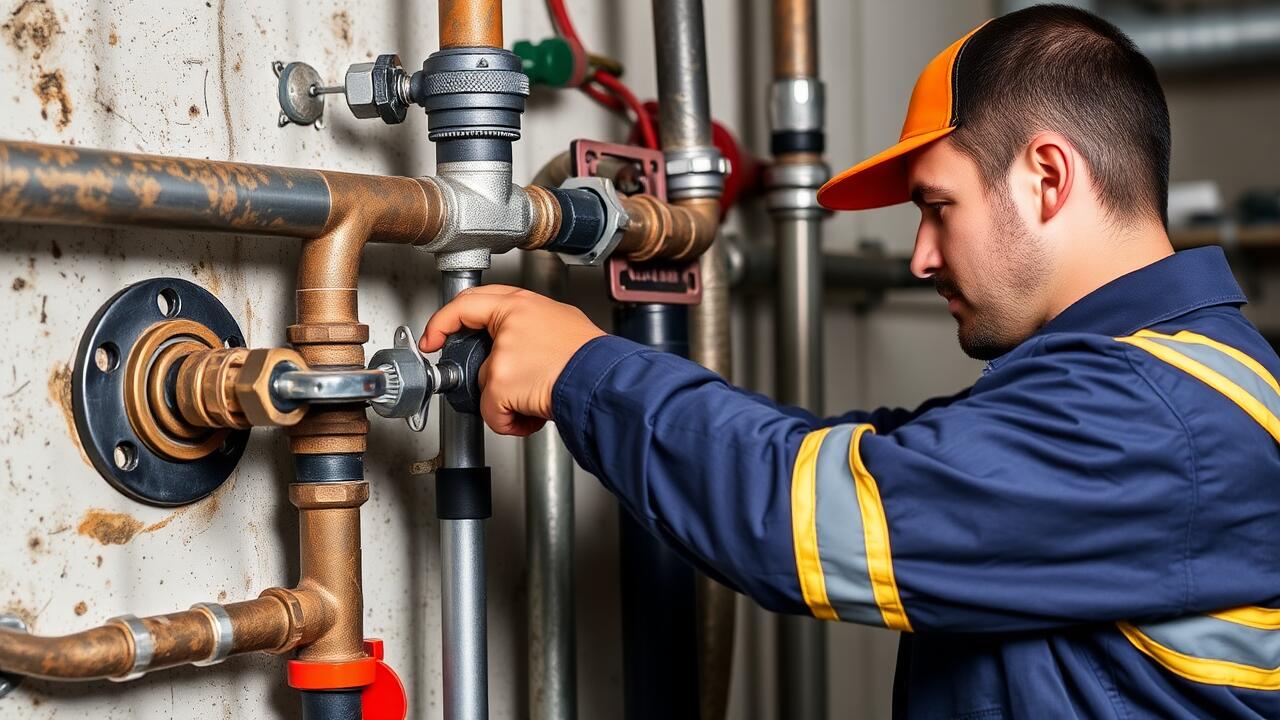
When planning for new pipe installation, it is essential to factor in additional costs beyond just the price of the pipes themselves. This can include the expense of permits required by local municipalities, which vary based on location and scope of work. Labor costs also play a significant role; hiring experienced professionals may seem pricey but can ensure that the installation meets safety standards and minimizes future repairs. The complexity of the project can lead to higher labor rates, especially for intricate systems that require specialized knowledge.
In addition to initial installation fees, consider the ongoing costs associated with maintenance and potential repairs. Older homes may require updates to existing infrastructure, adding to the overall budget. For residents in Oregon, understanding the nuances in regulations and local conditions is crucial. Pipe installation and repair in Oregon might involve specific codes that dictate materials and methods used, potentially raising expenses further. Homeowners need to gather quotes and thoroughly assess all potential costs to create a realistic financial plan for their plumbing projects.
Fixtures, Fittings, and Accessories
When installing new pipes, it's essential to account for the costs associated with fixtures, fittings, and accessories. These components, which include valves, connectors, and hangers, vary in price depending on quality and material. Homeowners may opt for copper, PVC, or PEX, each with its respective cost implications. The overall budget for pipe installation and repair in Oregon should reflect these additional expenses to ensure a comprehensive project estimate.
In addition, accessories like insulation materials and sealants may contribute to the final cost. Proper insulation is important for temperature control and can prevent energy loss in plumbing systems. While the initial investment in quality fixtures and fittings may seem higher, it often leads to long-term savings by enhancing system durability and efficiency. Evaluating these factors will provide a clearer picture of the overall financial commitment required for a successful installation.
DIY vs. Hiring a Professional
When considering whether to tackle pipe installation and repair in Oregon on your own or to hire a professional, several factors come into play. A DIY project can save on labor costs, making it an attractive option for those with some plumbing experience. However, proper tools, materials, and time commitment are crucial elements that can influence overall savings. Mistakes made during installation can result in additional expenses in the long run.
On the other hand, hiring a professional ensures that the job is done correctly and efficiently. Licensed plumbers bring expertise that can prevent potential issues and provide peace of mind, especially regarding local codes and regulations. They can handle unexpected complications that may arise, saving time and reducing the risk of costly repairs later. Evaluating your skills and the complexity of the job will be essential in deciding the best course of action for your specific needs.
CostBenefit Analysis of Each Approach
When considering pipe installation and repair in Oregon, it’s essential to weigh the benefits of a DIY approach against the expertise of hiring a professional. Opting to handle the project yourself can save on labor costs, which often comprise a significant portion of the total expense. However, this route demands a comprehensive understanding of plumbing systems and the proper tools. Mistakes made during the installation could lead to costly repairs down the line or even additional problems that require professional assistance.
On the other hand, hiring a licensed plumber ensures quality workmanship and compliance with local building codes. Professionals bring valuable experience, which can lead to a more efficient installation process and help avoid common pitfalls. While the upfront cost of labor may seem high, the long-term savings associated with properly installed pipes often outweigh the initial investment. Homeowners must assess their own capabilities, budget constraints, and the complexity of the project before deciding on the best approach.
Seasonal Price Variations
Seasonal price variations can significantly impact the cost of pipe installation. In many regions, demand for plumbing services tends to increase during the spring and summer months. Homeowners often undertake renovations during these seasons, resulting in a tighter service schedule for contractors. This surge in demand can lead to higher pricing as labor costs escalate due to increased workloads and limited availability of skilled professionals.
In contrast, the fall and winter months may offer more favorable pricing opportunities. Many contractors may lower their rates to attract customers during these slower seasons. Additionally, pipe installation and repair in Oregon can be more cost-effective in winter, as fewer projects may be underway. Homeowners willing to schedule work during these off-peak times often find that they can take advantage of reduced labor costs and improved contractor availability.
How Time of Year Affects Installation Costs
The time of year can significantly influence the cost of pipe installation and repair in Oregon. During peak season, typically the warmer months, demand for plumbing services increases as homeowners are more inclined to undertake renovations. This heightened demand often leads to higher prices as contractors may charge more due to their busy schedules and limited availability. It's essential to consider that additional demand can also result in longer wait times for service.
Conversely, winter months may present an opportunity for more competitive pricing. Contractors may offer discounts or lower rates during this off-peak season to maintain a steady stream of work. Weather conditions can also play a role, as extreme cold may necessitate urgent repairs, pushing prices higher in some cases. Homeowners should be aware of these seasonal variations when planning pipe installation and repair in Oregon to maximize their budget and get the best service possible.
FAQS
What is the average cost of installing new pipes?
The average cost of installing new pipes can range from $1,000 to $5,000, depending on factors such as the type of pipes, the length of installation, and the complexity of the job.
Are there additional costs to consider when installing new pipes?
Yes, in addition to the basic installation costs, you should consider expenses for fixtures, fittings, and accessories, as well as potential permits and inspections that may be required.
Is it cheaper to install pipes myself or hire a professional?
While DIY installation can save on labor costs, hiring a professional can ensure the job is done correctly and efficiently, potentially avoiding costly mistakes and repairs in the future.
How do seasonal price variations affect pipe installation costs?
Installation costs can fluctuate due to seasonal demand; for example, prices may be higher in summer when more homeowners are undertaking renovations, while winter may offer lower prices due to reduced demand.
What factors should I consider when deciding between DIY and hiring a professional for pipe installation?
Consider your skill level, the complexity of the installation, the time you have available, and the potential costs of mistakes. A cost-benefit analysis can help determine the best approach for your situation.