The Process of Pipe Installation
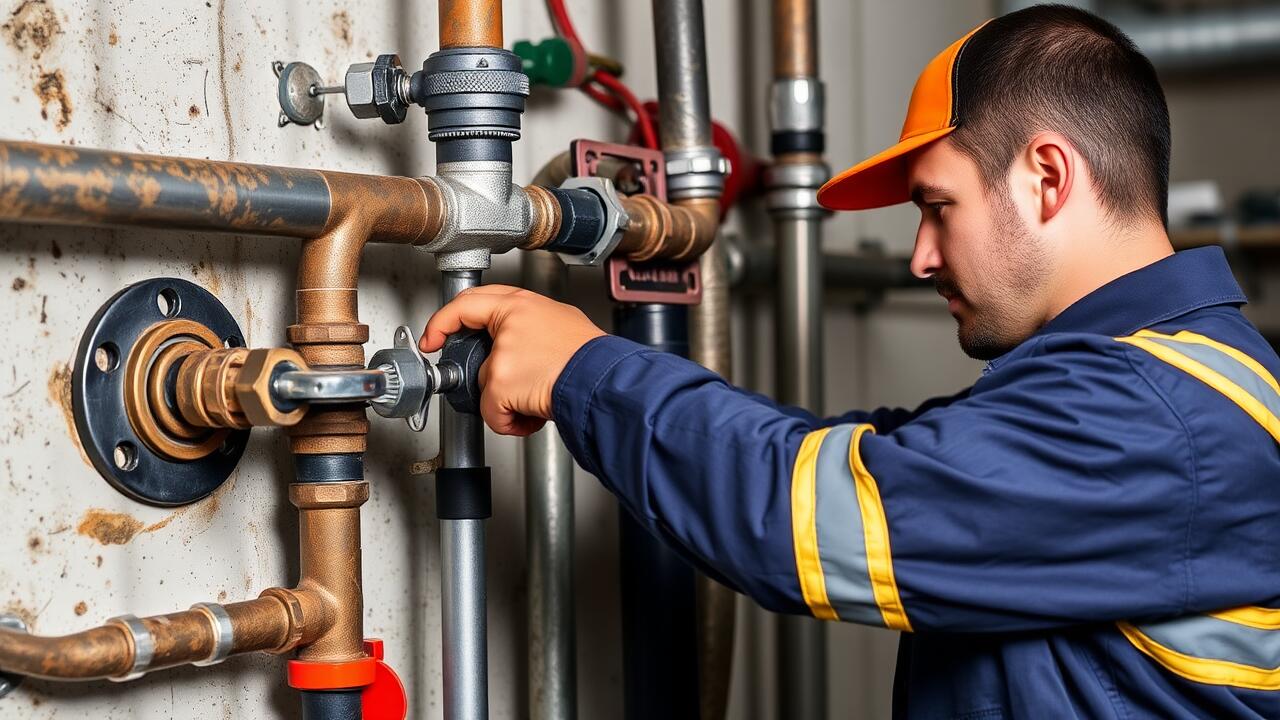
Proper pipe installation is crucial for ensuring a functional plumbing system. Professionals typically begin with a thorough assessment of the site to determine the best layout and materials required for the project. They take into account factors such as soil conditions, building codes, and the specific needs of the household. The expertise gained from years in the field allows them to predict potential challenges before they arise, ensuring a smoother installation process.
Once the planning phase is complete, the actual installation involves several steps, including excavation, laying down the pipes, and connecting them to the existing plumbing system. Each section must be properly sealed to prevent leaks, and pressure tests are usually performed to verify the integrity of the system. After the installation is finished, experts will check for any necessary adjustments and provide guidance for maintenance. Homeowners often search for local options by entering "Pipe installation and repair near me" to find qualified professionals who can ensure their plumbing is installed correctly.
Steps Taken by Experts
Experts begin the process by assessing the specific needs of the project. They inspect the existing plumbing system and evaluate the materials used. This allows them to determine whether the pipes should be repaired or replaced. Additionally, they take measurements to ensure a proper fit for new pipes. Knowledge of local building codes is essential during this phase to ensure compliance.
Once the assessment is complete, professionals outline a detailed plan of action. They gather the necessary tools and materials based on the project requirements. If you're searching for services, using the phrase "pipe installation and repair near me" can connect you with qualified specialists. These experts follow best practices for installation, ensuring a secure and efficient process, crucial for preventing future issues.
Signs You Need Pipe Repairs
Homeowners should stay vigilant for signs that indicate pipe damage or deterioration. Unexplained moisture or water stains on walls and ceilings serve as early warning signals that a pipe may be leaking. Additionally, a sudden increase in water bills without changes in usage patterns can suggest hidden leaks that require immediate attention. Another indication can be strange sounds coming from pipes, such as gurgling or hissing, which often point to blockages or pressure issues.
If you notice any of these issues, it may be time to search for "pipe installation and repair near me." Early intervention can prevent more extensive damage and costly repairs down the line. Regular maintenance can also help identify problems before they escalate, ensuring the longevity and efficiency of your plumbing system. Taking proactive measures contributes to a safe and comfortable living environment.
Recognizing Early Warning Signs
Identifying early warning signs of pipe issues can save homeowners from extensive damage and costly repairs. Common indicators include water stains on walls or ceilings, which suggest leaks behind surfaces. A sudden increase in water bills can also signal a hidden leak, prompting further investigation. Additionally, strange noises, such as gurgling or bubbling from pipes, may indicate blockages or irregularities that require attention.
Homeowners should also be vigilant about noticing a drop in water pressure. This change can often indicate a breach in the pipes or clogs that disrupt normal flow. If any of these symptoms appear, seeking professional help is essential. Searching for "pipe installation and repair near me" may connect homeowners with local experts equipped to address these issues efficiently and effectively.
Cost Factors in Pipe Repair
The cost factors in pipe repair can vary widely based on several elements. Labor rates often differ depending on the region and the specific plumbing service provider. Material costs can also influence the overall price, particularly if specific types of pipes or fittings are needed for the repair. Experienced professionals might charge a premium for their expertise, but the investment often pays off in terms of quality and longevity of the repairs.
Additionally, the complexity of the issue can significantly impact repair costs. Simple leaks may require minimal materials and time, while extensive damage could necessitate more invasive repairs and higher prices. Homeowners searching for solutions often look for "pipe installation and repair near me" to find local experts who can provide accurate estimates tailored to their particular situation. Understanding these cost factors can help homeowners make informed decisions when faced with necessary plumbing repairs.
Understanding Pricing Structures
When evaluating the cost associated with pipe repairs, several factors come into play. The complexity of the repair, the type of materials needed, and the labor involved significantly influence the total price. For instance, straightforward repairs may incur minimal costs, while extensive damage could lead to higher expenses due to increased labor and material requirements. Additionally, local market rates can impact pricing, making it essential to gather estimates from multiple contractors.
Homeowners often search for "pipe installation and repair near me" to find local professionals who can provide competitive pricing. Factors such as the contractor's experience and reputation also contribute to the overall cost. It's advisable to consider value in addition to price, as lower bids might compromise quality. Investing in skilled professionals can save money in the long term by reducing the frequency of repairs and ensuring that installations are performed correctly.
FAQS
Who is responsible for fitting and repairing pipes?
Plumbers are the professionals who fit and repair pipes in residential and commercial buildings. They are trained to handle various types of piping systems and ensure they function properly.
What qualifications should I look for in a plumber?
When hiring a plumber, look for proper licensing, experience, and insurance. Many plumbers also have certifications from trade organizations, which can indicate a higher level of expertise.
How can I tell if my pipes need repairs?
Signs that your pipes may need repairs include leaks, unusual water pressure, discolored water, strange noises coming from the plumbing, or persistent damp spots on walls or ceilings.
What is the average cost of pipe repairs?
The cost of pipe repairs can vary widely depending on the extent of the damage, the type of pipes involved, and labor costs in your area. On average, minor repairs can range from $150 to $500, while more extensive repairs can cost between $1,000 and $3,000 or more.
How can I prevent the need for pipe repairs in the future?
Regular maintenance, such as inspecting for leaks, insulating pipes to prevent freezing, and ensuring proper drainage, can help prevent the need for future pipe repairs. It’s also helpful to schedule periodic professional inspections.